The early years of childhood are a remarkable time of discovery. Young children are constantly learning — from the sounds they hear, the people they interact with, the games they play, and the world they explore.
As parents, we naturally want to support our children’s development in the best way possible. The good news? Early learning doesn’t have to mean complicated lessons. Simple, joyful activities — singing nursery rhymes, playing together, talking, exploring, and enjoying age-appropriate educational content — can all become powerful learning experiences.
Let’s explore why rhymes, music, play, interaction, and healthy screen habits matter so much in these early years.
1. How Nursery Rhymes and Music Support Early Learning
Nursery rhymes and children’s songs are far more than entertainment — they’re one of the earliest tools a child has for learning language. Their rhythm, repetition, and simple wording give young children the chance to listen, remember, and practice new sounds and words.
When children hear a familiar rhyme again and again, they begin to recognize words, phrases, sounds, and patterns. Singing along encourages them to participate and take their first steps in communication.
An animal-sounds song, for instance, can introduce little ones to animal names and the sounds they make — all while building listening skills and vocabulary. Music also makes learning fun: children clap, dance, imitate sounds, and sing along naturally, often without realizing they’re learning at all.
Why repetition matters: Young children thrive on hearing the same song or rhyme over and over. Repetition helps familiar words and patterns feel easy and comfortable to recognize. Try making it interactive — ask simple questions like “What sound does the cow make?” or “Where is the lion?” and watch your child light up with the answer.
2. Why Play Is So Important for Young Children
For young children, play is learning. When they pretend, build, sort, match, explore, sing, or play simple games, they’re using their imagination while quietly practicing real skills.
Play builds language, problem-solving, creativity, social interaction, and confidence — and none of it requires expensive toys. Some of the richest learning happens through the simplest everyday games.
3. Parent-Child Interaction Makes Learning More Meaningful
One of the most valuable things you can give your child isn’t a toy or a lesson — it’s your time and attention. When you sing together, read a simple story, talk about animals, ask questions, or join in a game, your child learns through that connection with you.
Try a few simple activities together:
Sing a favorite nursery rhyme
Make animal sounds together
Name colors or shapes during play
Encourage your child to describe what they’re doing
4. How Educational Videos Can Support Learning
Educational videos can be a wonderful resource when they’re age-appropriate, engaging, and used thoughtfully. Children can pick up new words, songs, animal names, and colors through well-designed content.
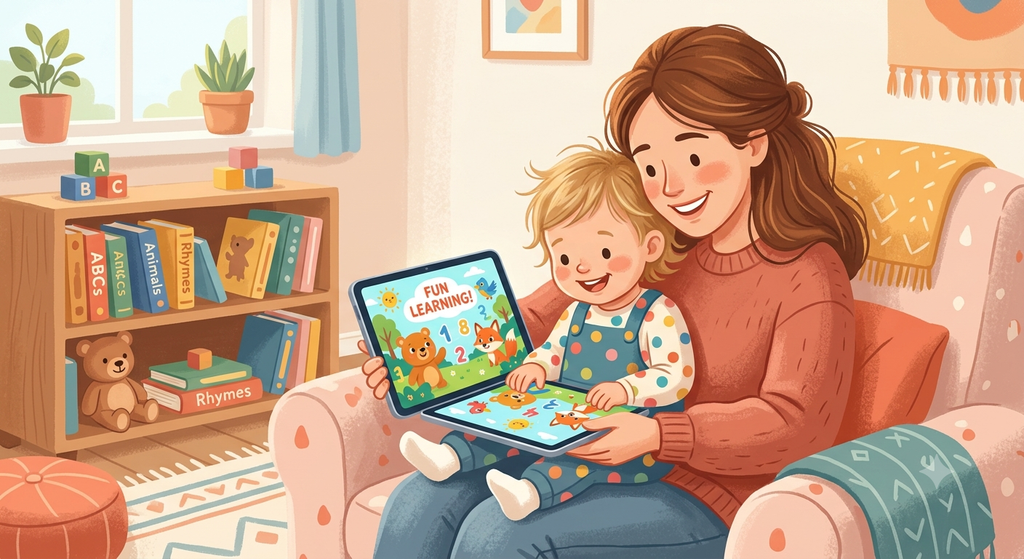
But videos work best as part of a balanced routine — not a substitute for you. Instead of leaving your child to watch alone, join in. Ask simple questions like “Which animal is that?” or “Can you copy the sound?” — turning passive viewing into an interactive, connected experience.
5. Healthy Screen Time: Quality Matters More Than Quantity
Screens are part of everyday life in today’s world, and that’s okay. Rather than aiming for mindless viewing, think about what your child is watching and what that screen time might be replacing. Look for content that is age-appropriate, simple, educational, and positive.
And remember balance: a healthy day still includes sleep, physical activity, outdoor exploration, imaginative play, and time with family.
6. Follow Your Child’s Curiosity
Children learn best when they’re genuinely interested in something. If your child loves animals, explore animal sounds together. If they love music, sing and dance with them. You don’t need a complicated lesson plan — sometimes the best learning moment starts with a simple question from your child: “What is that?”
What Can You Find on Emdikids.com?
At Emdikids.com, our goal is to create a warm, welcoming space where children can enjoy fun learning experiences while parents find helpful early-childhood resources.
🎵 Nursery Rhymes & Educational Videos — Discover fun children’s songs, nursery rhymes, animal sounds, and educational videos designed to make learning enjoyable.
🌱 Parenting & Early Learning Articles — Explore helpful articles on children’s development, screen time, and parenting ideas.
Conclusion
Children don’t need constant lessons to learn — they need opportunities to play, explore, communicate, imagine, listen, and connect. Just a few minutes of singing together or enjoying an educational rhyme can become a meaningful part of your child’s day.
🌟 Visit Emdikids.com and Learn Together!
Explore our nursery rhymes, educational videos, and early-learning resources today.
And don’t forget to subscribe to our YouTube channel, EmdikidsTV, for more fun and educational videos that you and your little ones can enjoy together! 📺✨
Emdikids — Learn, Play, Sing, and Grow Together.