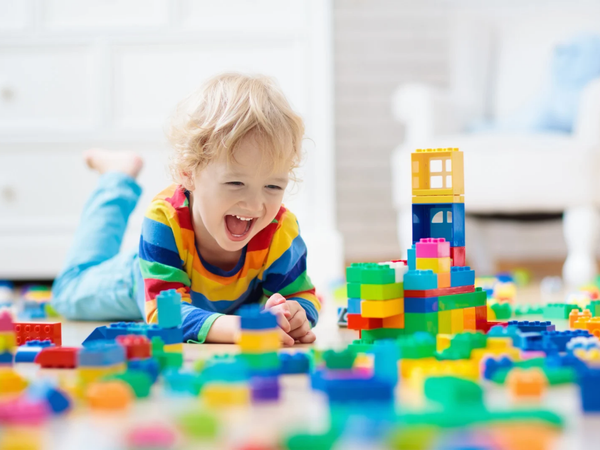
A child’s education doesn’t start on their first day of school — it starts the moment they’re born, through every conversation, story, and game.
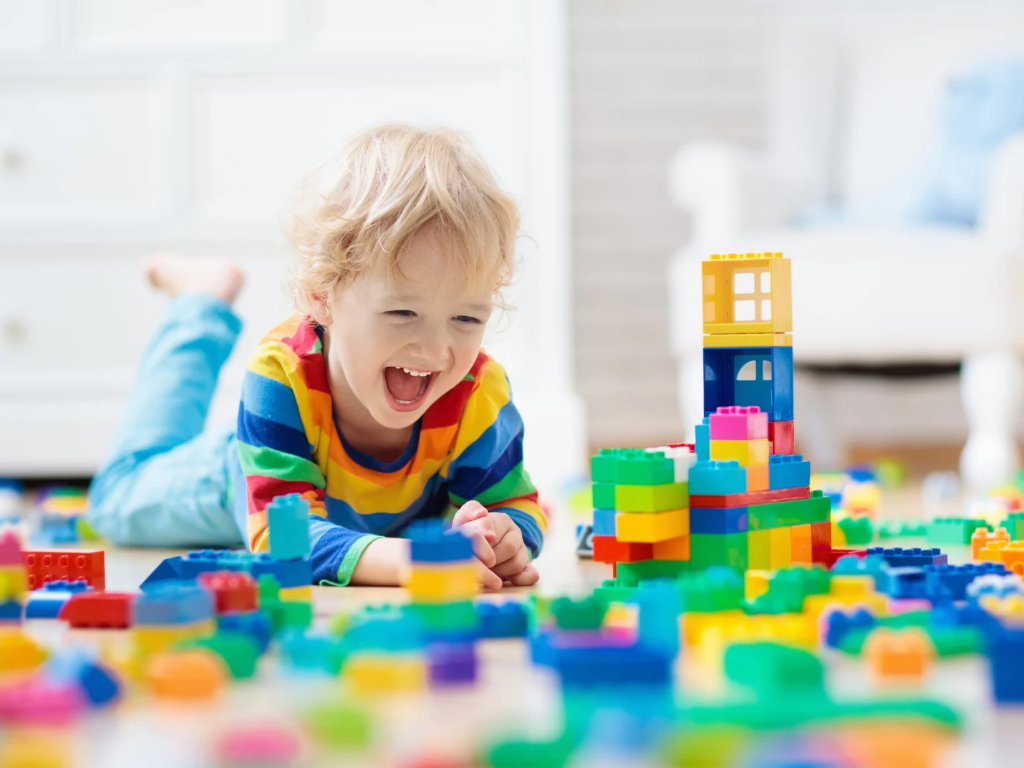
Many parents think learning begins at age four or five. But the truth is, the first five years matter most. This is when kids develop language, thinking skills, coordination, and emotional intelligence — all before they ever sit at a desk.
Getting your child ready for school isn’t about drilling ABCs. It’s about raising a curious, confident kid who’s excited to learn. The best part? Most of this happens naturally, through play.
Here are 8 simple ways to build that foundation at home.
1. Let Them Learn Through Play
Blocks, puzzles, pretend play, sorting games — to a child, this is learning. Try:
Sorting objects by colour
Matching pictures
Building towers together
Naming animals and their sounds
Keep it light. The goal is fun, not a classroom at home.
2. Strengthen Little Hands First
Before pencils come fine motor skills. Build them with:
Colouring and drawing
Play dough
Tearing/pasting paper
Child-safe scissors (with supervision)
Strong hands now mean easier writing later.
📥 FREE DOWNLOADABLE PRACTICE WORKSHEET
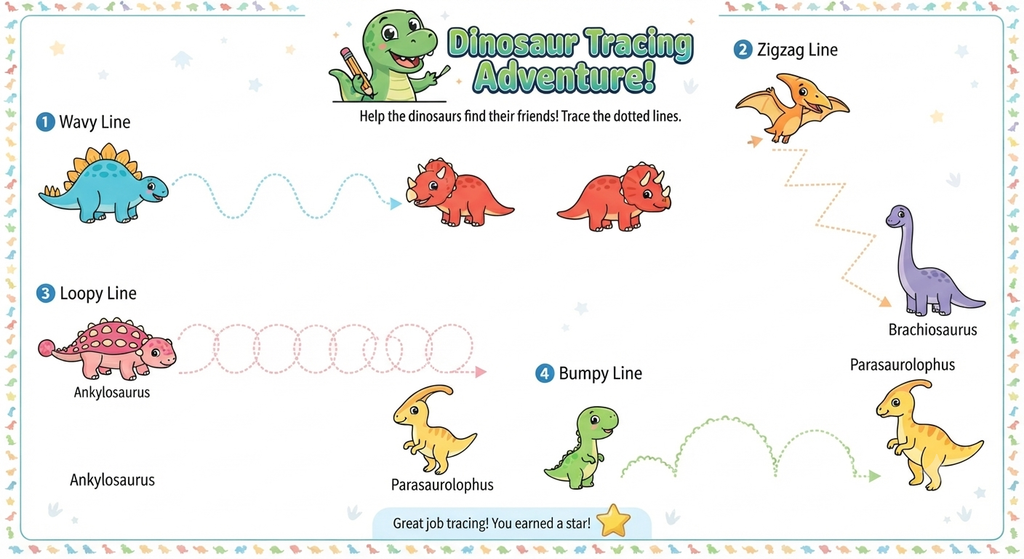
Help your child develop fine motor control with our fun line-tracing activities! Based on our printable tracing worksheets:
Tracing Lines & Standing Lines: Practice precision and hand stability.
Dinosaur Tracing Activity: “Trace the different lines to help the dinosaurs move” (fun wave and loop patterns designed for kids!).
3. Use Songs to Boost Memory
Show a picture, ask “What is this?” Keep it playful, not a test. If they get it wrong, just say:
“That’s okay! Let’s try again.”
5. Take Their Questions Seriously
“Why is the sky blue?” “Why do birds fly?” These aren’t annoying — they’re curiosity in action. Answer simply, in age-appropriate terms. You don’t need all the answers; the conversation is what counts.
6. Read and Talk Together Daily
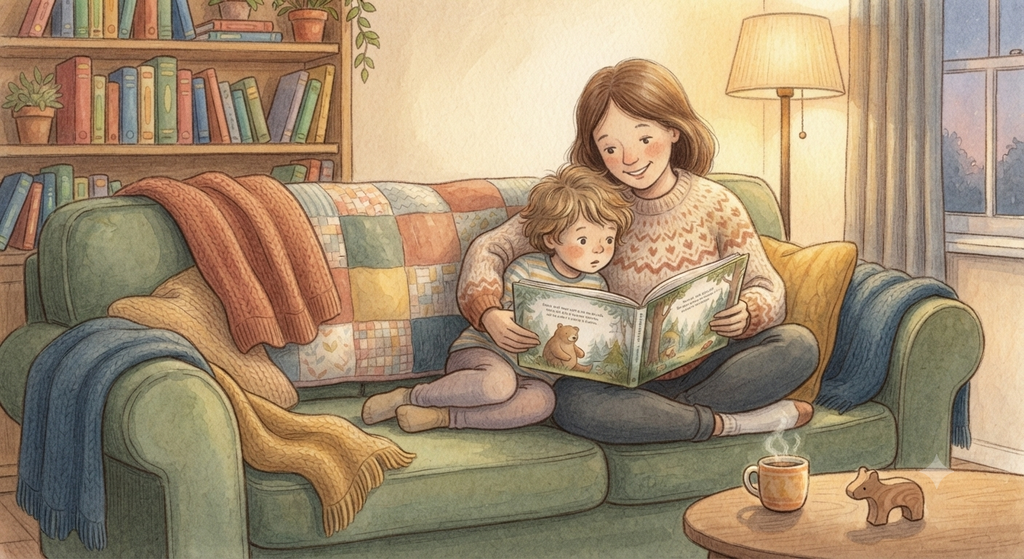
A short story a day goes a long way. Afterward, ask:
Who was in the story?
What happened?
What do you think happens next?
Then let them talk. You’ll be amazed what they can express when someone listens.
7. Choose Presence Over Screens
Ten minutes of real, focused attention often beats an hour of passive screen time. Put the phone down and just be with them — it builds language, connection, and confidence.
8. Turn Mistakes Into “Let’s Try Again”
Wrong colour, misplaced puzzle piece, mispronounced word — mistakes are normal. Instead of pointing them out, say:
“That’s okay. Let’s try one more time.”
This teaches kids that trying matters more than being perfect.
What Really Matters
Before school starts, your child doesn’t need to:
Know every letter
Count to 100
Read full books
They do need to be curious, willing to try, and comfortable expressing themselves. That’s the real foundation.
Home Is the First Classroom
Every bedtime story, silly song, and “let’s try again” adds up. These small, everyday moments are what build a child’s confidence and love of learning — long before the first day of school.